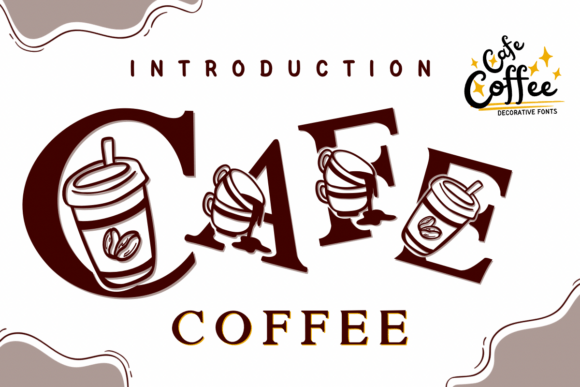
Cafe Coffee: A Decorative Font for Warm, Inviting Designs
There’s something about a well-crafted font that can instantly set a mood. You’ve seen it happen: a logo that feels playful and modern, a greeting card that radiates warmth, or a social media post that stops the scroll because of its unique personality. That’s the power of a typeface with character. Cafe Coffee is one such premium font, a decorative font that brings a distinct, handcrafted charm to a wide array of projects. It’s more than just letters on a page; it’s a design asset with a story to tell.
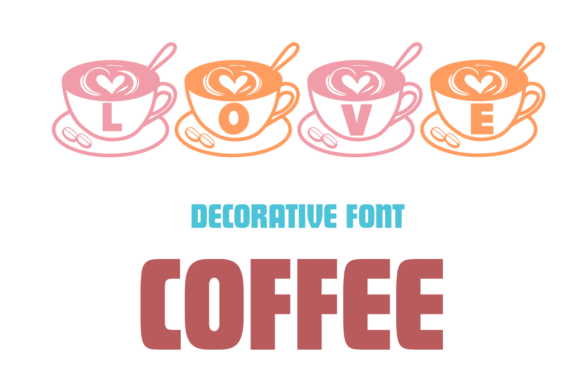
Visually, Cafe Coffee walks a fascinating line. It’s not a pure script font, nor is it a standard serif font or sans serif font. Its personality lies in its soft, rounded terminals and subtle irregularities that mimic the gentle flow of a felt-tip pen or a careful brush stroke. The letterforms have a friendly, approachable weight—substantial enough to be noticed but never harsh or aggressive. This gives it a cozy, intimate feel, reminiscent of a handwritten note in a favorite journal or the chalkboard menu at a beloved local cafe. It’s a creative font that feels human, imperfect in the best possible way, which is exactly what makes it so appealing for personal and branded communications.
Where Cafe Coffee Truly Shines: Practical Applications
Understanding a font’s personality is one thing; knowing where to deploy it effectively is another. Cafe Coffee isn’t a workhorse for body copy in a lengthy report. Its strength is in creating emotional connections and drawing the eye to key messages. Think of it as the accent piece in your typographic wardrobe.
- Branding & Logo Design: For small businesses, bakeries, boutique shops, cafes, or lifestyle brands, Cafe Coffee can be a cornerstone of a warm, authentic brand identity. It works beautifully for logos, wordmarks, and taglines that need to feel personal and artisanal. Paired with a clean sans serif font for body text, it creates a balanced and memorable visual system.
- Marketing & Social Media: In the crowded digital space, a touch of personality is gold. Use Cafe Coffee for headlines in social media graphics, Instagram stories, Pinterest pins, or email marketing banners. It’s particularly effective for promoting events, special offers, or behind-the-scenes content where a human touch is desired. It helps your content feel less corporate and more conversational.
- Publishing & Editorial Design: While not for the main text of a novel, this display font is perfect for chapter titles, pull quotes, or stylized headers in magazines, cookbooks, or blog graphics. It adds a layer of visual interest and can break up the monotony of more traditional typographic layouts.
- Packaging & Product Design: Imagine Cafe Coffee on a label for homemade jam, artisan coffee, or organic skincare products. It communicates care, craftsmanship, and quality. It’s equally at home on packaging, thank-you cards, or stickers included with an online order.
- Personal & Commercial Craft Projects: This is where Cafe Coffee’s versatility truly excels. Its commercial font license (always verify specifics with the foundry) means it can be used on products for sale. Think greeting cards, invitations, mugs, t-shirts, tote bags, and stationery. For crafters and hobbyists using cutting machines or design software, it’s a fantastic asset for creating personalized gifts and home decor.
Choosing and Using Cafe Coffee Wisely
Adopting a new typeface is an exciting step, but a little strategic thinking goes a long way. Here’s how to integrate Cafe Coffee into your workflow effectively.
Evaluate the Project Fit. Before you dive in, ask: Does this project call for warmth, personality, and a handmade feel? If you’re designing a legal contract or a technical manual, Cafe Coffee is the wrong tool. If you’re creating a wedding invitation, a cafe menu, or a motivational poster, it’s likely a perfect match. The font should amplify your message, not compete with it.
Master the Art of Font Pairing. A display font like Cafe Coffee rarely works well alone in a complex layout. The key to modern typography is contrast and hierarchy. Pair it with a highly legible, neutral font. A simple geometric sans serif font like Montserrat or Lato makes an excellent companion for body copy, allowing Cafe Coffee to command attention in headlines and subheads without overwhelming the reader.
Consider Readability and Hierarchy. Because of its decorative nature, Cafe Coffee is best used at larger sizes where its charming details can be appreciated. Using it for small, lengthy paragraphs will hurt readability. Instead, use it to establish a clear visual hierarchy. Let it be the star of your headlines, then step back and let a simpler font handle the supporting information.
Explore the Full Family. Many premium fonts come with multiple weights or styles. Check if Cafe Coffee includes bold, light, or italic versions. These variations can provide subtle flexibility within your design system while maintaining the core personality, giving you more tools to work with for different levels of emphasis.
Review Licensing for Commercial Use. This is a non-negotiable step. If you plan to use Cafe Coffee on products for sale—whether it’s a digital download or a physical mug—you must ensure your license permits it. Reputable foundries are clear about their terms. Respecting licensing protects you legally and supports the designers who create these valuable assets.
In the end, Cafe Coffee is more than just a creative font; it’s a tool for storytelling. It doesn’t just display words; it conveys an emotion—a sense of comfort, creativity, and personal connection. By understanding its strengths and applying it thoughtfully, you can leverage its unique charm to make your designs, your brand, and your message feel more authentic and engaging. Whether you’re a designer refining a brand system, an entrepreneur building a product line, or a crafter adding a personal touch, it offers a wonderful way to infuse your work with warmth and character.